

The Economics of the Transition to Clean Energy
Key takeaways
Look for energy sector leaders transitioning to renewables
Be aware of companies based on purely renewables
Large cap>small cap for stable growth in the transitioning energy sector
Climate change has been an imminent threat for quite some time, and now, with AI energy consumption continuously increasing, the future of the energy sector lies in renewables.
While purely renewable energy stocks might seem positioned perfectly for this change, the markets actually favor established, large-cap energy giants that are pivoting to renewables.
This energy transition trade is called “Brown-to-Green,” in which the “Brown” represents cash-rich traditional energy companies that are allocating their expenditures to the renewable infrastructure of the future, the “Green.” This transition allows for innovation while minimizing volatility by harnessing the credibility of proven companies as they expand into the future of energy.
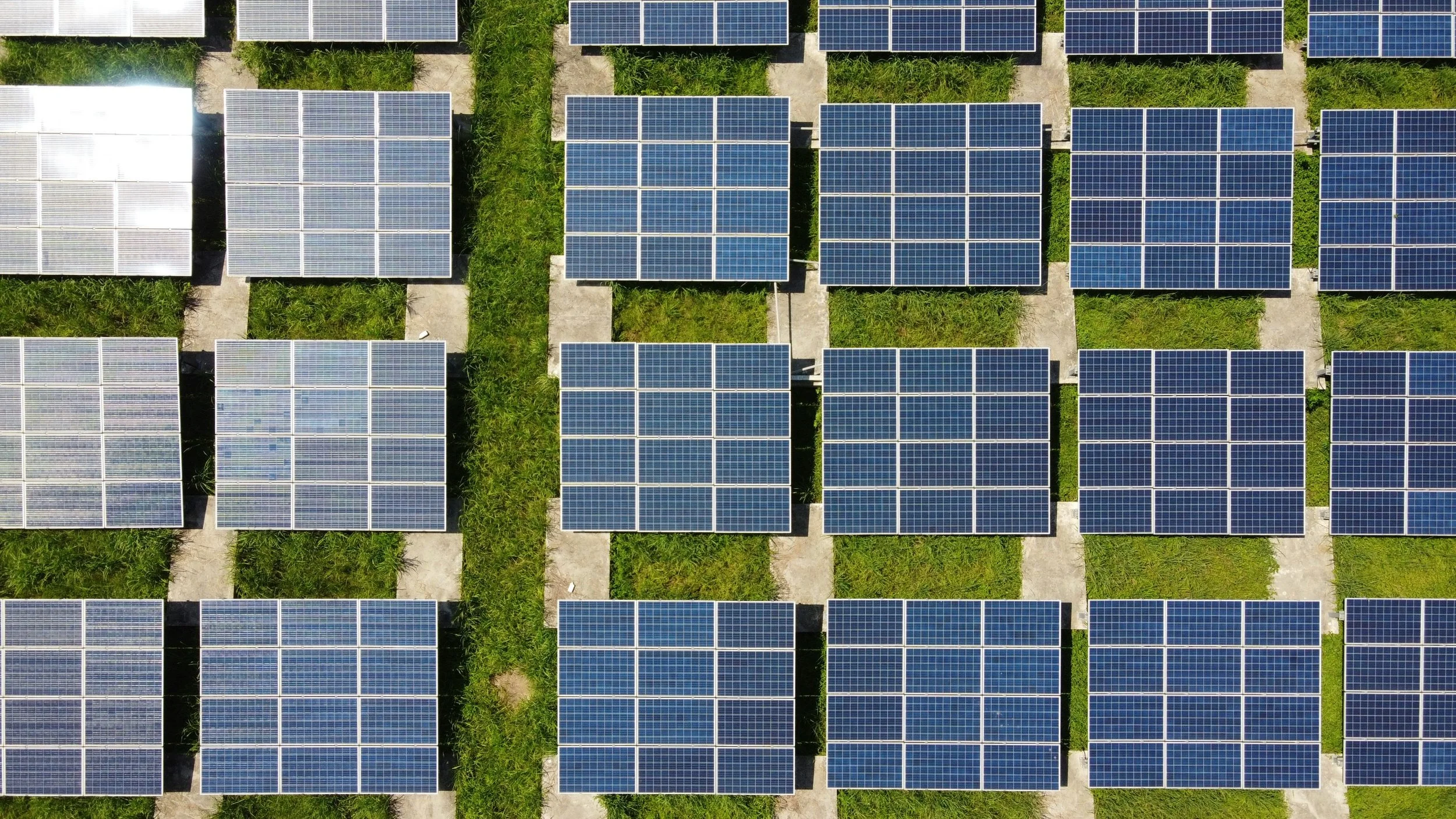
Don't get me wrong, I am not saying companies based only on renewables will be bearish. We have already seen this with First Solar, which is projected to have around 25% revenue growth in 2026 and currently has contracts to deliver $16.4 billion worth of solar panels, securing it from short-term market dips (WallStreetZen, 2025). However, even with such performance, these companies aren't reliable for many reasons.
First, most “Pure Play” stocks, companies based solely on renewables, are highly sensitive to interest rates because they are currently valued for profits they are expected to make 10–20 years from now. When rates rise, the “present value” of that future revenue crashes. On the flip side, Brown-to-Green stocks like Chevron or NextEra generate cash today. Their value is based on current assets and revenue, so when rates rise, they are less affected.
Another significant risk with Pure Plays is the volatility that comes with their product. Most Pure Play companies are manufacturers, while Brown-to-Green companies are consumers investing their capital into products that will give them the highest returns. This distinction creates massive risk for Pure Plays, as they are leveraging their company as collateral for their technology. One of the biggest examples of this risk was Siemens Energy. In 2023, when key components of their new turbines were discovered to be faulty, as the manufacturer, they were liable for fixing every turbine they sold. The stock crashed 37% in a single day, and they had to allocate $1.6 billion just for repairs and stop selling their flagship product, freezing revenue (CNBC, 2023).
Though high risk is prevalent with Pure Plays, they also can come with high reward. Hence, I still predict them to be bullish overall, similar to the way we are seeing high-growth tech stocks who have taken AI in stride riding its wave, while those who didn't accommodate for the changes it brought getting crushed.
With the International Energy Agency predicting Solar PV to be “on course to account for some 80% of the increase in the world’s renewable capacity” with “wind, hydropower, bioenergy and geothermal all contributing,” the energy sector isn't just growing, it’s evolving to fit the needs of a renewable future (IEA, 2025).